
Contribution to Community Work from Immigrants’ Perspective
Some societal problems can be effectively resolved only through coordinated community action, rather than by individuals, government, or private services alone. People mostly undertake community work voluntarily or collectively as members of a community to improve social well-being, strengthen cooperation, and address shared needs or challenges. Such efforts may be organized through formally registered organizations or carried out informally by groups of community members working together. In some cases, third parties—such as charitable organizations, international agencies, or public institutions—also initiate or support community activities in order to promote humanitarian values and provide social support. Community work commonly focuses on improving physical and institutional infrastructure, supporting vulnerable groups, organizing cultural and social events, protecting the environment, and promoting education and health for public. Therefore, it requires individuals contributing their time, skills, knowledge, or resources for the benefit of the wider community rather than for personal financial gain.
At its core, community work is built on mutual responsibility and collective action. It strengthens social bonds and encourages people to work together toward common goals. In many societies—especially within immigrant communities—community work serves not only to maintain social harmony, build trust, and foster a sense of belonging in the wider society, but also to preserve cultural traditions, maintain social identity, and address the unique needs of the community.
- Ways to Make Contributions
Community work can take many forms depending on the needs of the community, and the roles people assume. Some common forms include:
Leadership or Coordination Roles: A visible and influential way of contributing to community work is by taking on leadership roles. Certain individuals require stepping forward to organize community initiatives, coordinate activities, mobilize resources, and guide collective decision-making. Effective leaders not only provide direction but also inspire participation, build trust among members, and encourage collaboration toward shared goals. They often play a crucial role in resolving conflicts, maintaining transparency, and ensuring that community projects progress smoothly and responsibly. The success of community work largely depends on the dedication, integrity, and capabilities of those in leadership positions. In this sense, community leaders act as the pillars of collective efforts, shaping the vision, motivation, and unity needed for meaningful and lasting outcomes.
Membership: Membership numbers reflect the size of the voluntary workforce and the potential number of beneficiaries within a community organization. They indicate the strength of the community and help assess the scope for initiating activities and the likelihood of successful delivery for members. A strong membership base also demonstrates the level of collective commitment and social cohesion within the community. In addition, a strong membership base signals credibility and organizational capacity to external stakeholders, including supporting organizations, partners, and donors. This credibility can help attract cooperation, secure resources, and gain broader support for community initiatives. For example, funding provided by organizations such as the Rātā Foundation, Christchurch City Council, and the Ministry for Ethnic Communities for activities within the Nepali community often depends on the number of registered members and the total number of beneficiaries the organization serves.
Participation as beneficiaries in community work: Making participation in organized activities is a vital way for individuals to contribute meaningfully to community work. By taking part in these activities, members help transform plans into real actions, turning ideas into tangible results and contributing to the overall success of community programs. Participation strengthens social bonds, builds trust, and fosters collaboration among community members, creating a sense of shared responsibility. It also provides additional benefits beyond the intended objectives of participation, such as expanding social networks, sharing personal experiences, learning from one another, and gaining practical skills through engagement in community work. High levels of participation reflect the effectiveness of leadership and volunteer efforts, giving them a sense of pride and motivation to continue their work. Moreover, the size and quality of participation offer valuable insights for leaders to plan and organize future activities more effectively.
Casual Volunteering Service: Community members can contribute to community development through casual voluntary services. This includes providing labor and hands-on support to implement events and programs, offering goods or cash donations to sustain activities, and giving practical suggestions for organizing, managing, and improving community initiatives. Members can also help mobilize funds, resources, and services from other supporters, ensuring that programs have the means to succeed. Such contributions not only help achieve the immediate goals of community work but also strengthen the capacity and resilience of the community over time. Additionally, volunteers can engage in mentoring, training, or awareness campaigns, share knowledge and skills with other members, and support vulnerable groups, further enhancing the social impact of community development. Active participation in these voluntary activities fosters a sense of ownership, builds social cohesion, and inspires others to engage, creating a culture of collaboration and sustained community growth.
Constructive Voices or Responses over Yes-Person: Voluntary community work thrives and remains sustainable when its initiatives and actions produce need-based, inclusive, and socially fair outcomes. However, achieving such outcomes is often challenging in collective actions because communities consist of people with diverse capabilities, cultural orientations, interests, personalities, social circumstances, and personal concerns. These differences can create complex social dynamics or political ecology, especially when people work together in groups for mutual benefit. In such situations, not everyone feels able to openly express their concerns, problems, or perspectives. One way to address this challenge and encourage meaningful community participation is by promoting constructive voices and thoughtful responses that remain attentive to ongoing community plans, programs, and activities. Constructive participation—through honest opinions, careful observations, and practical suggestions, helps keep community efforts on track and aligned with shared goals. At times, suggestions or feedback alone may not be sufficient; meaningful change may also require individuals to take responsibility or actively participate in implementing solutions. Simply agreeing with every proposal and action without offering thoughtful feedback allows weak or ineffective initiatives to proceed unchecked, often resulting in unfair or poorly managed outcomes. Such passive agreement can also cultivate a culture of complacency and negligence, where accountability and improvement are gradually overlooked. In contrast, constructive engagement encourages accountability and collective responsibility. Therefore, communities that value open, constructive feedback and responses are more likely to achieve transparent, inclusive, and sustainable outcomes.
- The Benefits of Participation in Community Work
Cultural Conservation: Active involvement in community work transforms both individuals and society. When people roll up their sleeves to contribute, relationships are strengthened. Cooperation grows, trust deepens, and social networks expand—creating a community where people genuinely support one another. Such work is often especially important for immigrant individuals or groups in addressing their specific social needs; otherwise, these needs may remain unmet. For instance, immigrant Nepali children may not have the opportunity to experience their cultural traditions in a homely and meaningful way unless these traditions are practiced collectively within their community through formal or informal activities. In-group networks and community organizations provide participants with a comfortable and enjoyable environment to communicate and engage in activities because they share common values, social identities, and interests.
Capacity Development: Participation in community work also develops leadership and organizational skills and provides valuable work experience. Senior members often recognize, encourage, and support—particularly young people—to become involved in community activities. They frequently offer mentorship and guidance. These community work experiences help individuals become more confident, effective, and capable of guiding others or taking on more challenging roles. Some organizations also value and recognize such leadership experience in community work when offering employment opportunities, prestigious public roles, or scholarships for young people.
Learning: Beyond skills, community work fuels personal growth and civic responsibility. It cultivates empathy, social awareness, and a sense of purpose. By engaging directly with the needs and challenges of others, individuals gain a deeper understanding of social realities and develop greater compassion toward different groups in society. Such experiences encourage people to think beyond personal interests and consider the broader well-being of the community. For example, volunteering to tutor youth or children in community sports or cultural classes can expose participants to individuals with different personal needs and learning abilities, which strengthens their sense of social responsibility. Community involvement also nurtures patience, tolerance, and respect when interacting with others, the qualities that are essential for professional growth and success in the workplace. Over time, these experiences shape individuals into more responsible citizens who are willing to contribute actively to public welfare and community development.
Collective problem-solving: Participating in community work provides opportunity to solve their problems. When people come together and share their ideas, experiences, and resources, they can address challenges that would be difficult for any one person or institution to solve alone. For example, organizing cultural festivals, running community language or literacy programs, or advocating for the rights and well-being of immigrant communities often requires the combined effort of many volunteers and supporters. Working together not only spreads responsibilities but also brings different perspectives that help shape better and more balanced solutions. This shared effort strengthens the sense of unity within the community and often leads to outcomes that are more practical, inclusive, and sustainable.
Pride: Active participation brings recognition and pride. People who contribute their time and effort to community activities often earn respect and appreciation from fellow members and community leaders. This recognition not only acknowledges their dedication but also encourages others to step forward and take part. As members work together and achieve shared goals—such as successfully organizing events, supporting vulnerable groups, or improving community facilities—a strong sense of collective accomplishment emerges. Such experiences strengthen unity and deepen the feeling of belonging within the community. Over time, this appreciation and shared pride motivate continued involvement, inspire new volunteers, and create a positive cycle of participation, trust, and social cohesion that helps communities grow stronger and more resilient.
3, Appropriate Participation of Different Groups
Community needs, problems, and interests often vary across different social groups. Therefore, the involvement of representatives from diverse groups makes community work more inclusive, balanced, and effective. When people from different age groups, genders, and social backgrounds participate, they bring varied perspectives, experiences, and skills that help communities understand problems more clearly and design solutions that benefit everyone. The capacity to contribute may differ among groups due to differences in experience, resources, or life circumstances, but inclusive participation encourages a culture where contributions are valued based on capability and willingness rather than status alone. Such representation strengthens fairness, transparency, and collective ownership of community initiatives.
Youth: Young people are often in a stage of learning and personal development, so they may initially better fit to take on supportive or subordinate roles in community work while gradually building their experience of leadership. However, youth also bring unique strengths to community activities. They are generally more familiar with modern technologies, social media communication, and new forms of information sharing, which can be valuable for promoting events, connecting members, and reaching wider audiences. Young people also tend to have greater energy, enthusiasm, and exposure to diverse ideas, making them particularly effective in organizing sports activities, cultural events, and awareness programs. By leading youth-focused groups and participating actively in community initiatives, they develop confidence, leadership skills, and a sense of civic responsibility while also contributing fresh ideas and momentum to community development. Involving youth, especially in leadership is also an opportunity of intergeneration knowledge, skill, capability and responsibility transfer.
Kids: Principally, children’s involvement in community work should focus mainly on observation and gentle learning. By watching how adults organize activities, collaborate, and solve problems, kids can gradually understand the importance of contributing to their community. Age-appropriate activities, such as simple games, creative workshops, or mini environmental or cultural projects, allow them to participate in a meaningful and enjoyable way. At the same time, it’s important to protect children from experiences that may be emotionally or socially overwhelming, such as singing and dancing on songs carrying adult sentiments. Parents and senior community members supposed to play avoiding the kids’ participation, ensuring it is safe, supportive, and suitable for their age. Many ethnic communities, including Indian communities, follow this approach that allow children to learn and engage gradually while keeping their experiences positive and developmentally appropriate. However, Nepali community has not followed some of the norms such as singing and dancing on songs carrying adult emotional sentiments.
Seniors: Older members of the community bring valuable experience, wisdom, and cultural knowledge that enrich community work. Their long-term understanding of traditions, social relationships, and past community initiatives helps guide current efforts in more thoughtful and balanced ways. Many seniors serve as advisors, mentors, and mediators in community decision-making processes, helping younger members navigate challenges and resolve conflicts peacefully. Their guidance often promotes stability, continuity, and respect for community values. Participation of some seniors may motivate other people to make active participations. In addition, some senior members may be materially well-established and have cultivated a strong spirit of generosity, contributing donations in cash or kind to support community programs and events. Such contributions, combined with their experience and moral support, make seniors an important pillar of community development.
Inclusive gender: Meaningful community development requires the active participation of both men and women. Due to long-standing social norms and orientations, men generally participate more actively in community work and tend to gain more benefits than women. Since women form a large part of every community, their absence from community initiatives can leave important needs and perspectives unaddressed. Women often engage closely with matters related to family welfare, children’s education, health, and social care, and these experiences give them practical insights into many community problems. Their participation therefore helps communities recognize issues more clearly and respond with solutions that reflect everyday realities. Involving women in discussion, planning, and leadership also strengthens fairness and inclusiveness in decision-making, while their visible role encourages younger generations, especially girls, to take part in community life with confidence. When women participate fully as volunteers, organizers, or leaders, community work becomes more balanced, responsive, and effective. Cultural expectations and biological factors can sometimes create particular needs for women in community work. Women’s health and life-cycle conditions may occasionally influence the extent or timing of their participation. At the same time, many community concerns are closely connected to women’s everyday experiences. Matters such as maternal health, child development, family well-being, and domestic responsibilities are often understood more deeply by women because they engage with these realities directly in daily life. Their perspectives can help communities recognize problems that might otherwise remain unnoticed and guide practical responses that are sensitive to family and social needs. When women are involved in leadership and decision-making, such issues are more likely to be addressed with care, dignity, deeper understanding, and greater effectiveness. For these reasons, active participation and leadership by women are not merely about representation; they are essential for responding meaningfully to the real needs of families and communities.
In many community settings, women may hesitate to step forward to take leadership roles or participate actively in commuTop of Formnity initiatives. This hesitation can arise from several factors, including limited social orientation toward such roles, lack of access to knowledge due to generations-long exposure to oppressive state structures and social exclusion, as well as reoccurring biological cycle, physiochemical pressures or other family care responsibilities. Encouragement, supportive environments, and inclusive practices are therefore essential to foster a culture of greater participation and to ensure that the unique knowledge and strengths of women are fully utilized in community development.
Diverse cultural groups: Cultural diversity is a valuable asset for community work success. Participation from diverse cultural groups strengthens community work by bringing a wider range of knowledge, experiences, and perspectives into decision-making. Different cultural groups often understand community needs, traditions, and local challenges in unique ways. Their involvement helps ensure that programs and activities are inclusive, respectful, and responsive to the realities of all members of the community. It increases community cohesion. Recognizing and valuing these cultural assets allows communities to build solutions that draw on collective strengths rather than overlooking important sources of knowledge and support.
- Managing Challenges for Contributing to Community Work
Active participation in community activities can be challenging because people often feel more pressures from family life, personal well-being, and professional responsibilities. Considering their unique circumstances and social expectations, individuals should carefully choose the type and level of participation that fits their situation and minimise significant pressure on other aspects of life.
Participation can often be integrated with everyday activities. For example, parents raising young children may find it convenient to contribute to community initiatives while engaging their children in social activities such as sports, cultural programs, or school-related events. Teenagers and young adults can also contribute through sports clubs, travel groups, environmental campaigns, or other recreational and personal development activities that involve teamwork and service. Older adults and retirees often have valuable experience and time that can support community events, mentoring, volunteering, or contributing through donations of goods and financial support.
Workplaces can also play an important role in supporting community engagement. Some organizations allow employees to dedicate a number of working days to volunteer activities or community service. Individuals in such positions may be well suited for leadership or coordination roles that require limited but consistent time commitments during working hours. Choosing responsibilities that align with personal skills, professional expertise, and available time helps ensure that contributions are both effective and sustainable.
Community work also becomes easier when responsibilities are shared. Seeking helping hands, collaborating with others, and delegating tasks can reduce individual workload and improve the overall efficiency of community initiatives. Even when people cannot take leadership roles or commit significant volunteer hours, their participation still matters. Attending community events, offering occasional support, promoting initiatives, or simply staying engaged with local activities are meaningful ways to strengthen community spirit and encourage collective participation.
Finally, setting realistic commitments, maintaining good communication with family members, and periodically reviewing one’s level of involvement can help individuals maintain a healthy balance between community service and personal life. Small but consistent contributions, when made by many people, can collectively create a strong and vibrant community.
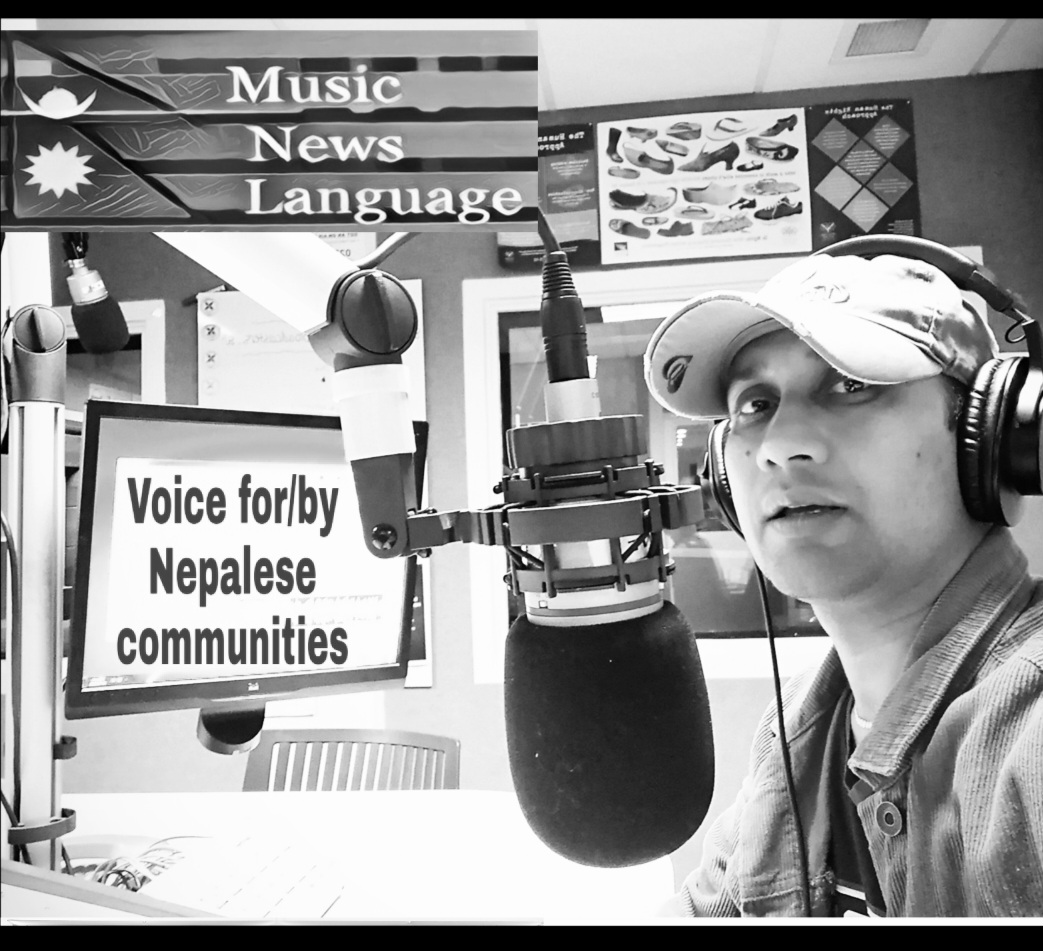
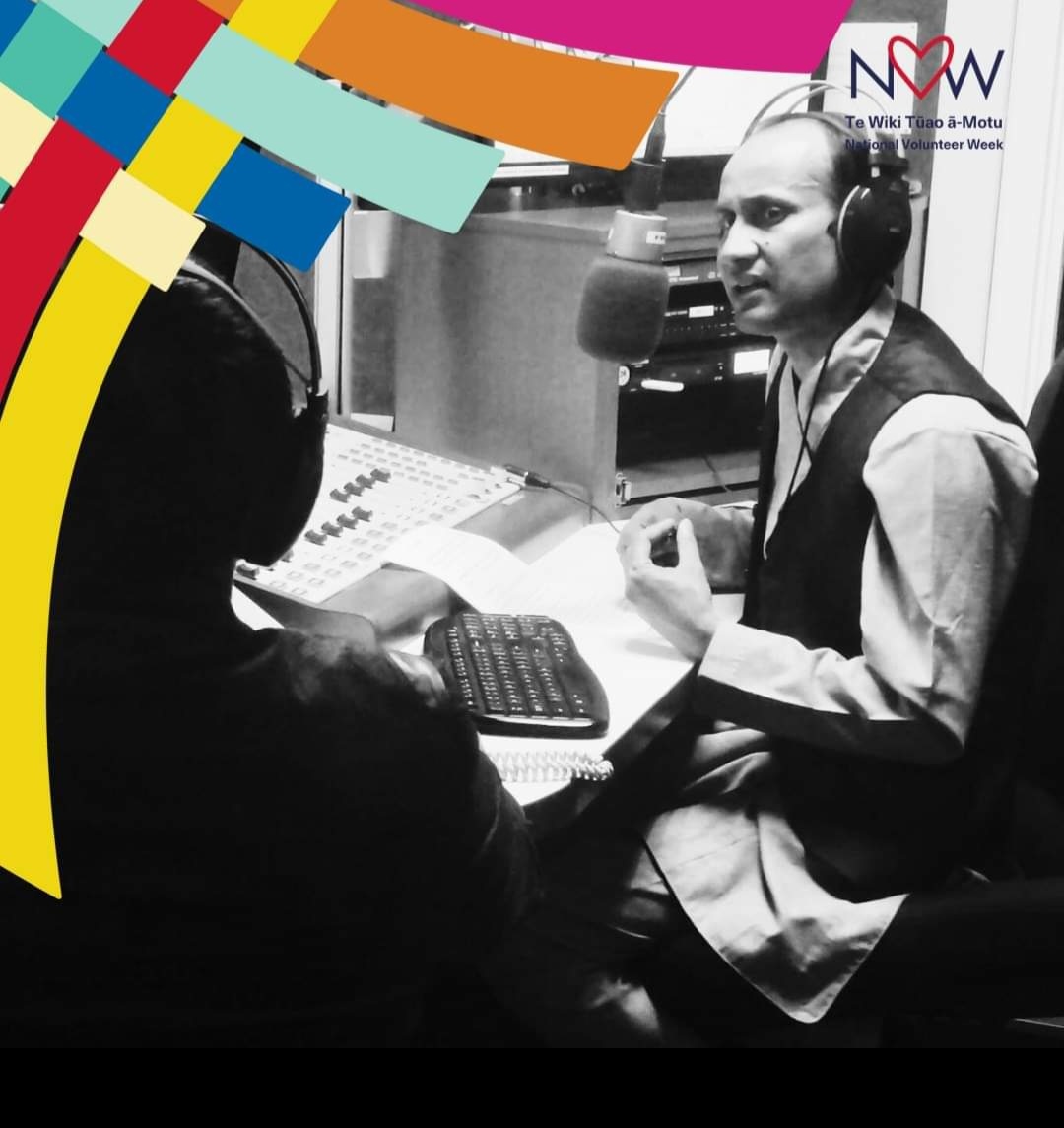
Based on my experience serving in leadership roles within Nepali community organizations, I adopted several practical approaches to manage responsibilities and achieve successful outcomes. Because community work often had to be balanced with other professional and personal commitments, I made use of small pockets of available time. For example, I frequently drafted correspondence and updated funding proposals while travelling on buses. I also developed the habit of preparing and submitting funding applications well before deadlines, usually about a week in advance, which helped reduce last-minute pressure and improved the quality of submissions. Collaboration was another key element of my approach. During meetings and on other occasions, I often requested support from members of the working team to share responsibilities and contribute their ideas. When planning programs, I typically consulted team members about their availability and the potential scope of activities, sometimes arranging brief discussions shortly after office hours to coordinate schedules. These small but regular interactions helped maintain teamwork and ensured that initiatives were realistic and well organized. Building and maintaining strong social networks was also crucial to the success of our community work. I regularly communicated with people involved in funding agencies and community organizations to stay informed about new opportunities, partnership possibilities, and networking events beyond our immediate community. These connections helped expand our access to resources and ideas, ultimately strengthening the effectiveness and sustainability of the programs we implemented. Outside of leadership roles, in addition to other forms of contributions, I have raised my voice in various ways to ensure that community work remains inclusive.
Conclusion
Community work is often a form of self-help for collective well-being. It is an important social responsibility that also offers meaningful personal benefits, including the development of individual character, leadership skills, and social capital through stronger relationships and networks. People can contribute to community work in many ways, depending on their individual circumstances, interests, and available time. Some individuals may take on leadership and coordination roles, while others may contribute through participation, volunteering, or material donations for activities. Effective time management, sharing responsibilities with others, and making small but consistent contributions are practical strategies that enable individuals to remain engaged in community development activities. Inclusiveness is the foundation of successful and sustainable community work. When these efforts are combined across many members of society, they can significantly strengthen community cohesion and support sustainable social development.